Leaving Tucume, we headed south to Chiclayo. Our guidebook said it was a popular destination for its proximity to the ocean, which was nice. It failed to mention, however, that Chiclayo may be the the dirtiest city a visitor will ever see. Workers were plowing and scooping up garbage with front end loaders, much like snow in the winter time. What was missed by the machines was being burned in piles. If there was any mistaking we were not in Kansas anymore, this sealed the deal.
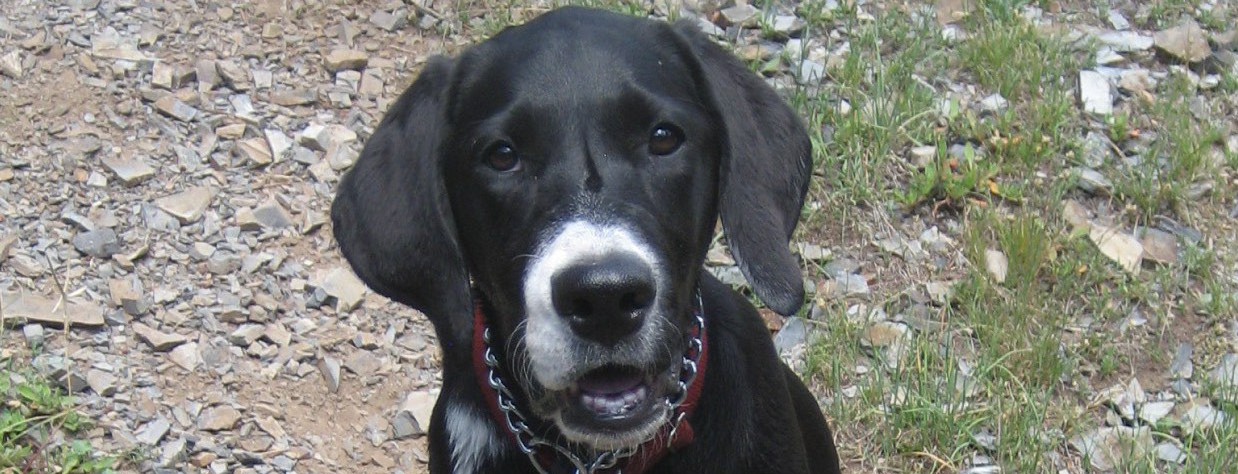
Wanting to get an internet chip for our phone, we ventured into the city and visited the large, open market our book recommended. Textiles, livestock, fruits, vegetables, and other durable goods were everywhere. There were also blue drums of olives, the area apparently being popular for growing and aging them. Because of the heat, we took Lucy with us. Everyone, of course, loved her and we received more than a few double-takes. We also headed to a nearby beach which was nice. Locals still use traditional reed rafts the pre-Incan cultures used.
The Bruning Archaeological Museum is in nearby Lambayeque, which features artifacts from the Chimu, another pre-Incan civilization. The artifacts illustrate the expertise of the Chimu in the areas of metal work and pottery. There was clear evidence of their utilization of ceramic forms to create their pots which we hadn’t seen so far. One of the most notable discoveries in the excavation was the focus of the burial being not of a man, but of a woman. Her mummified body was on display. This forced archaeologists to rethink the structure of power in past civilizations.
We also visited the more popular Sipan Museum. The Lord of Sipan was a priest of the Moche, a civilization pre-dating the Chimu by about 700 years. The archaeologist who found the intact tomb was able to build an entire career on this one find and was present at the museum. I would put this museum on the level of any Smithsonian I’ve visited. The layout, design, and presentation of everything was top notch. This includes the painstaking reconstruction of the many layers of beaded necklaces the king was wearing.
The King of Sipan, also referred to as the “King of Bling”, was buried under layer upon layer of gold ceremonial masks and earrings, beaded necklaces, and ceremonial shields. His tomb included the typical accompaniment of wives, guards, friends, and other items he would need in the afterlife. Unfortunately, we were unable to take any photos from within the museum, though the outside design of the building hints at the quality of the facility.
The following morning, we made the push straight south to Trujillo. Although we were close to the ocean much of the time, and often seeing it, it was one of the most barren places we’d ever been. There was absolutely nothing in between towns.
Trujillo is home to Chan Chan, the largest adobe and pre-Columbian city in the world. It was not only a functioning city but also a place where the heads of different areas would meet to pay taxes. Ceremonies were held there and the heads of different areas were buried in their own sections of the city. The Incas, who overthrew the Chimu, only held the city for 60 years before the Spaniards arrived; almost no artifacts remain. It’s also a UNESCO World Heritage Site and part of the city had been renovated. Also famous in this area is the Peruvian Hairless Dog. It’s exactly what it sounds like and is just as gross looking as you would expect it to be.
Trujillo was mainly just a stop over before we made the push into the mountains of Huaraz. We were both excited to see something other than brown dirt and ancient burial grounds.
The route to Huaraz never seemed to stop climbing. The landscape quickly went to sand, to rock, to rolling hills and grassy slopes. It was a bit like driving home as things greened up a bit. The Andes are huge and the views started to go one forever. We finally got to the top of the pass above Huaraz and took a break. Looking from the Cordillera Negra over the valley to the famous Cordillera Blanca gave us a fantastic perspective of the next five days of our trip.


 Ecuadorons